When you start comparing lysine treats for cats, powders, chews, and immune-support supplements, the options can quickly become confusing. L-lysine is an important amino acid in feline nutrition, but not every claim surrounding lysine supplementation has the same level of scientific support.
So what does lysine actually do for cats? How are lysine treats different from powders, and what should you look for when choosing a daily supplement?
What Is L-Lysine for Cats?
L-lysine is an essential amino acid involved in normal protein metabolism. Cats must obtain adequate lysine from their diet because it is one of the essential amino acids required for normal feline nutrition.
Modern complete cat foods are formulated to supply lysine alongside other essential nutrients such as taurine, methionine, arginine, vitamins, minerals, fats, and protein.
Dietary Lysine vs. Lysine Supplements
| Source | Main Purpose | Format | Key Difference |
|---|---|---|---|
| Complete Cat Food | Provides essential dietary lysine | Dry or wet food | Part of complete daily nutrition |
| Lysine Powder | Adds supplemental L-lysine | Powder | Usually mixed into food |
| Lysine Treats | Convenient supplemental nutrition | Chew or bite | Simple daily feeding format |
What Does Lysine Do for Cats?
From a nutritional perspective, lysine contributes to normal protein metabolism and helps provide one of the amino acids required in a balanced feline diet.
However, there is an important difference between meeting a cat's normal dietary lysine requirement and providing additional L-lysine as a supplement.
This distinction matters because supplemental lysine has historically been marketed for several purposes that have not always been consistently supported by research.

What Does Research Say About Supplemental L-Lysine?
L-lysine became especially popular in feline supplements because researchers investigated whether it could help cats exposed to feline herpesvirus type 1, commonly known as FHV-1.
Some earlier studies suggested possible effects under specific experimental conditions. Later research, however, produced inconsistent findings.
A systematic review published in BMC Veterinary Research concluded that current evidence does not support supplemental lysine as an effective strategy for preventing or treating FHV-1 infection.
| Research | Finding | Practical Takeaway |
|---|---|---|
| Maggs et al., 2003 | Reported changes in viral shedding under specific conditions | Early evidence was limited |
| Rees & Lubinski, 2008 | Did not demonstrate prevention of respiratory disease in shelter cats | Results were inconsistent |
| Bol & Bunnik, 2015 | Systematic review found no evidence supporting lysine for FHV-1 treatment or prevention | Lysine is better viewed as nutritional supplementation rather than antiviral treatment |
Why Choose Lysine Treats Instead of Powder?
The biggest advantage of lysine treats for cats is usually convenience.
Powders need to be measured and mixed into food. Some cats notice changes in texture or smell, while bite-style supplements can often be offered separately as part of an existing daily routine.
- Easy to portion according to the product label
- No loose powder left in the food bowl
- Convenient for both wet- and dry-food households
- Can combine several complementary ingredients
- Simple to add to an everyday feeding routine
What Ingredients Are Often Combined With L-Lysine?
| Ingredient | Nutritional Role |
|---|---|
| L-Lysine | Essential amino acid involved in normal protein nutrition |
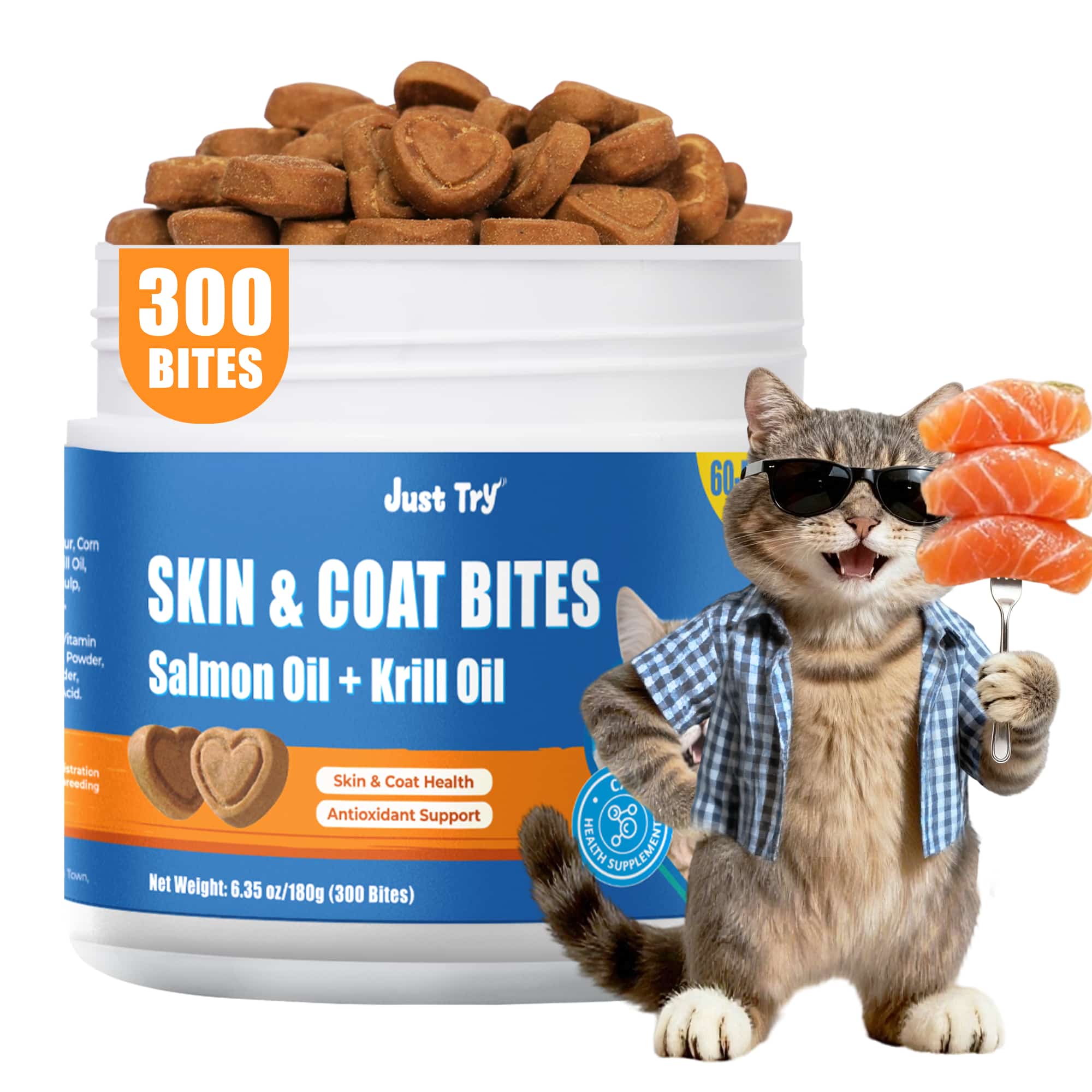
| Salmon Oil | Provides marine omega-3 fatty acids commonly used for skin and coat nutrition |
| Quercetin | Plant-derived flavonoid commonly included in complementary wellness formulas |

A Convenient Multi-Ingredient Bite
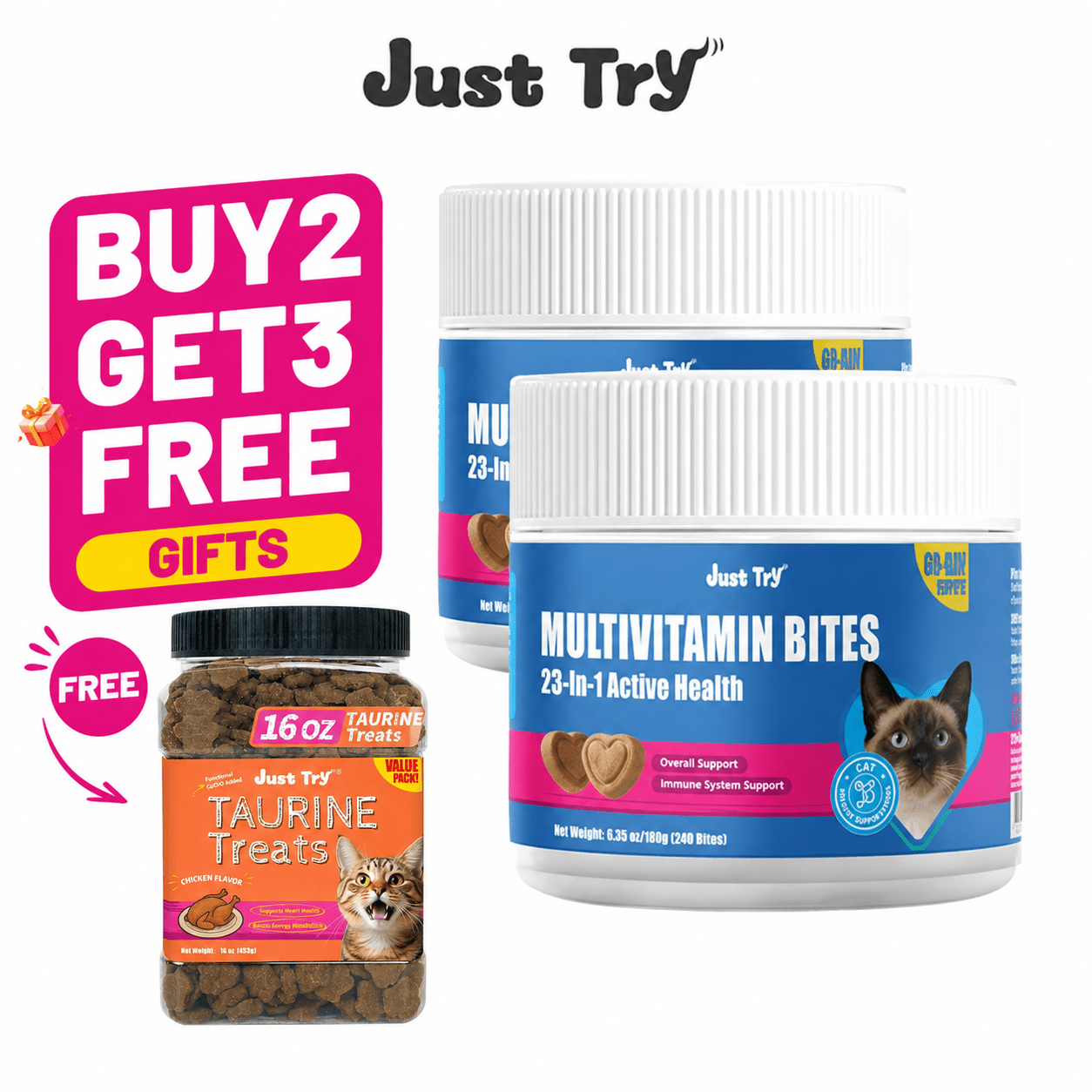
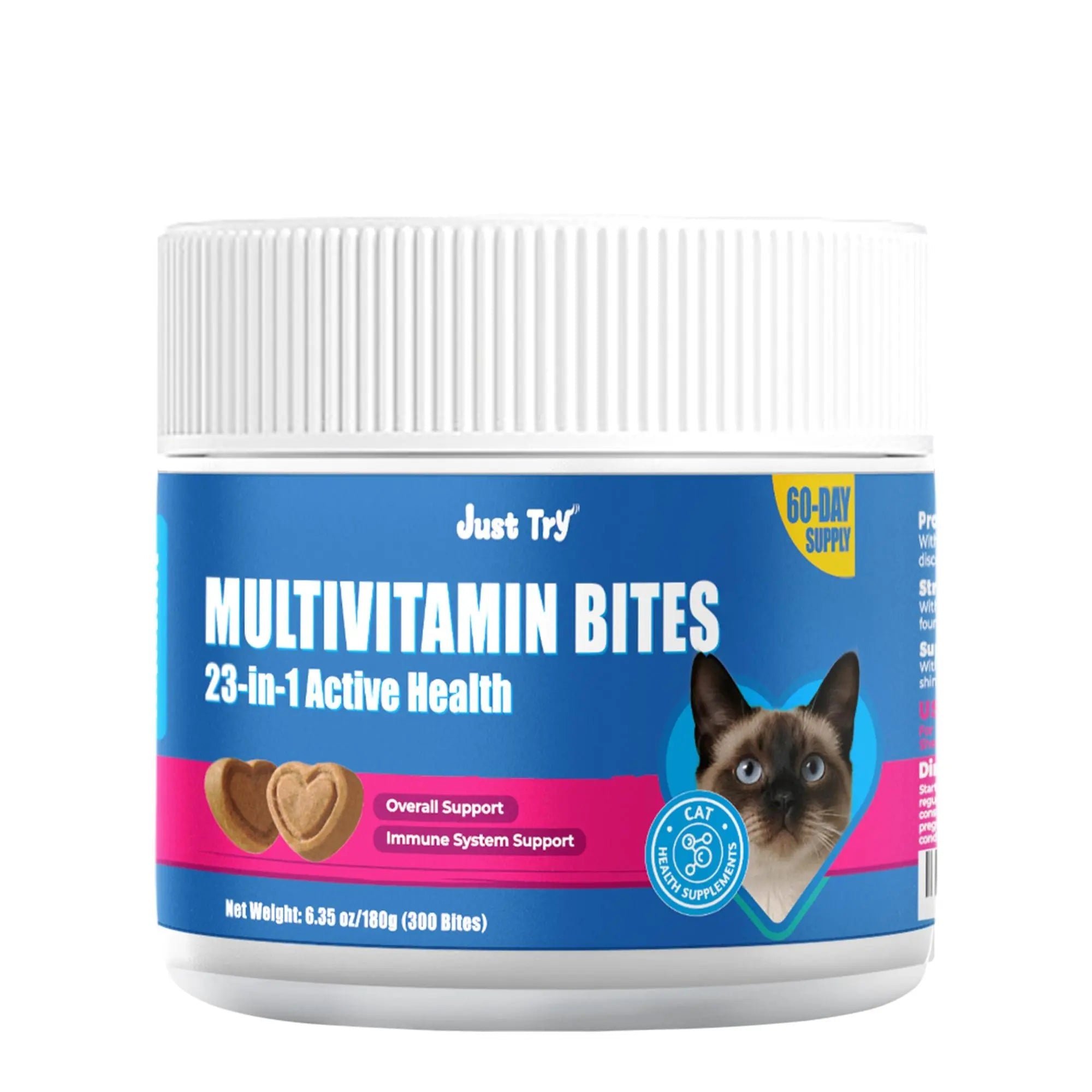
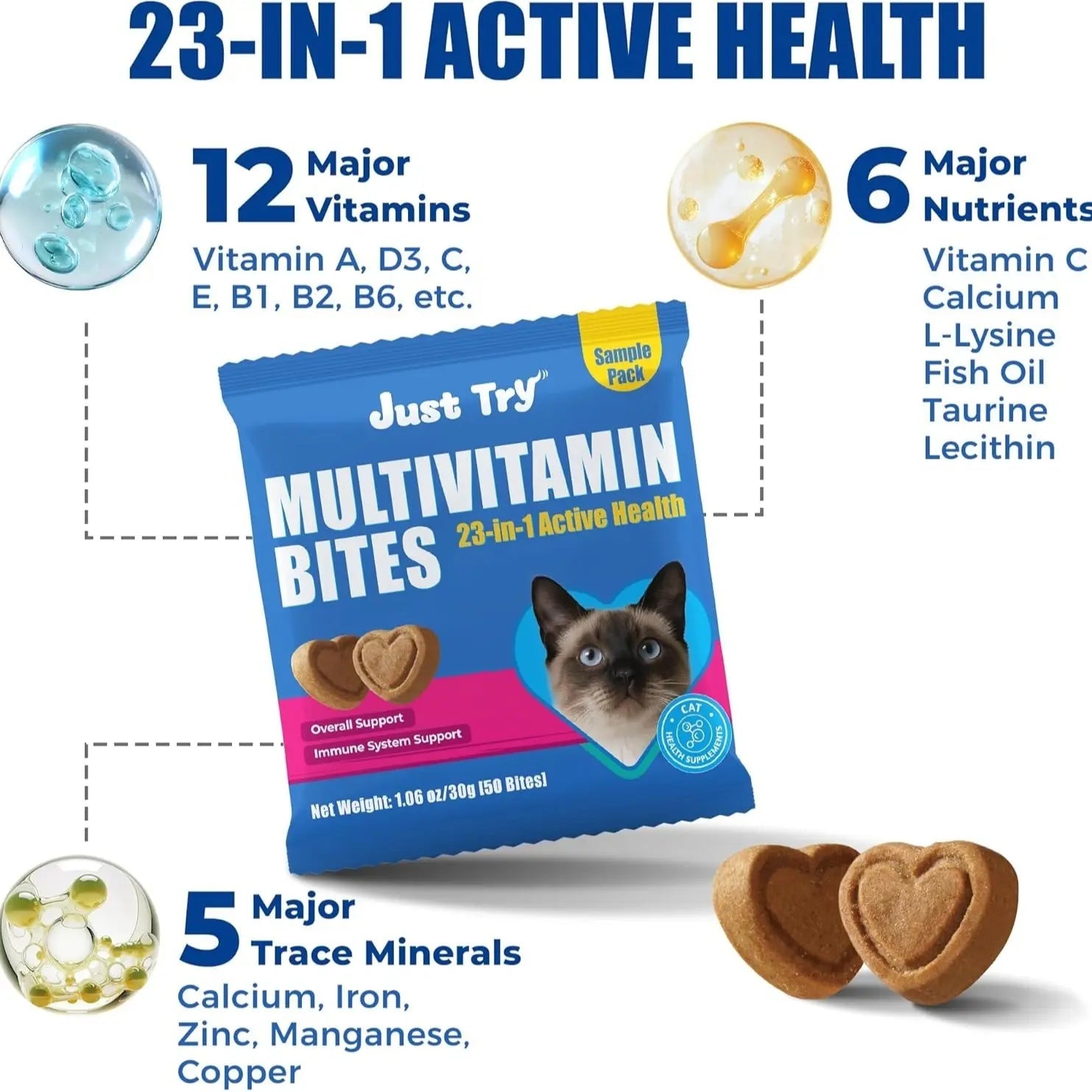
JUSTTRY Allergy & Immune Bites combine L-lysine, salmon oil, and complementary nutritional ingredients in a convenient bite format.
Instead of measuring several separate supplements, bite-style formulas make it easier to incorporate selected nutrients into a consistent daily routine.
FAQ
Are lysine treats the same as complete cat food?
No. Lysine treats are complementary products. Complete cat food remains the primary source of balanced daily nutrition.
Does every cat need extra lysine?
No. Cats eating nutritionally complete diets already receive dietary lysine. Supplemental lysine and normal dietary lysine requirements are not the same thing.
Are lysine treats easier than powder?
For many households, yes. Bite-style supplements do not need to be mixed into wet or dry food and can be easier to incorporate into a regular routine.
Final Thoughts
Lysine treats for cats can be a convenient way to provide supplemental L-lysine alongside other complementary nutrients.
The best approach is to focus on transparent ingredients, realistic nutritional claims, and a feeding format that fits easily into your cat's regular routine.
Explore: JUSTTRY Allergy & Immune Bites
References
- FEDIAF. Nutritional Guidelines for Complete and Complementary Pet Food for Cats and Dogs. https://europeanpetfood.org/self-regulation/nutritional-guidelines/
- Bol S, Bunnik EM. Lysine supplementation is not effective for the prevention or treatment of feline herpesvirus 1 infection in cats: a systematic review. BMC Veterinary Research. https://pubmed.ncbi.nlm.nih.gov/26573523/
- Maggs DJ, Nasisse MP, Kass PH. Efficacy of oral supplementation with L-lysine in cats latently infected with feline herpesvirus. https://pubmed.ncbi.nlm.nih.gov/12518876/
- Rees TM, Lubinski JL. Oral supplementation with L-lysine in shelter cats. https://pubmed.ncbi.nlm.nih.gov/18547855/