Finding cat hair around your home is a normal part of living with a cat. From furniture and blankets to clothing and carpets, loose fur is something almost every cat owner experiences.
However, when shedding becomes excessive, many pet parents start looking for ways to better manage their cat’s coat. The goal is not to completely stop shedding — because shedding is a natural and healthy process — but to support better coat condition and make loose fur easier to manage.
Key Takeaways
- Cats naturally shed old hair as part of their coat renewal cycle.
- Nutrition, including adequate protein and essential fatty acids, plays an important role in maintaining healthy skin and coat condition.
- Regular grooming removes loose fur before it spreads throughout your home.
- A consistent routine combining diet and grooming is usually more effective than relying on one solution alone.
In This Article
- Why cats shed and when shedding becomes noticeable
- How nutrition influences coat health
- The role of omega-3 fatty acids and essential nutrients
- How to build an effective grooming routine
- Choosing the right shedding support approach
- Frequently asked questions
- References
Why Do Cats Shed?

Shedding is a natural biological process that allows cats to replace old or damaged hair with new growth. The amount of shedding varies depending on factors such as breed, coat type, age, environment, and daily habits.
Indoor cats may appear to shed throughout the entire year because artificial lighting and consistent indoor temperatures can influence their natural coat cycles.
| Factor | How It Affects Shedding | What Cat Owners Can Do |
|---|---|---|
| Seasonal changes | Cats may release more loose fur when adapting between warmer and cooler periods. | Increase grooming frequency during heavier shedding seasons. |
| Indoor lifestyle | Stable indoor conditions may lead to more consistent year-round shedding. | Maintain regular coat care habits. |
| Coat type | Long-haired cats and cats with thick undercoats naturally produce more loose fur. | Choose grooming methods suitable for the coat type. |
Can Diet Help Reduce Cat Shedding?
A cat’s coat reflects its overall nutritional status. Hair is primarily made from protein, and cats require specific nutrients to maintain normal body functions and healthy coat condition.
The National Research Council’s publication Nutrient Requirements of Dogs and Cats explains that cats have unique nutritional requirements, including essential amino acids and fatty acids necessary for maintaining normal health.
Important Nutrients For Healthy Skin And Coat
| Nutrient | Why It Matters | Common Sources |
|---|---|---|
| Protein | Provides amino acids needed for normal hair structure. | Complete cat diets containing quality animal proteins. |
| Omega-3 Fatty Acids | Support normal skin condition and coat appearance. | Fish oil and marine ingredients. |
| Taurine | An essential amino acid required in feline nutrition. | Balanced cat foods and feline supplements. |
| Vitamins & Minerals | Support overall nutritional balance. | Complete diets and formulated supplements. |
According to veterinary nutrition resources, supplements should be selected specifically for cats because nutritional requirements differ between species. Human supplements should not be substituted for feline products.
Daily Nutritional Support For Your Cat’s Coat Routine
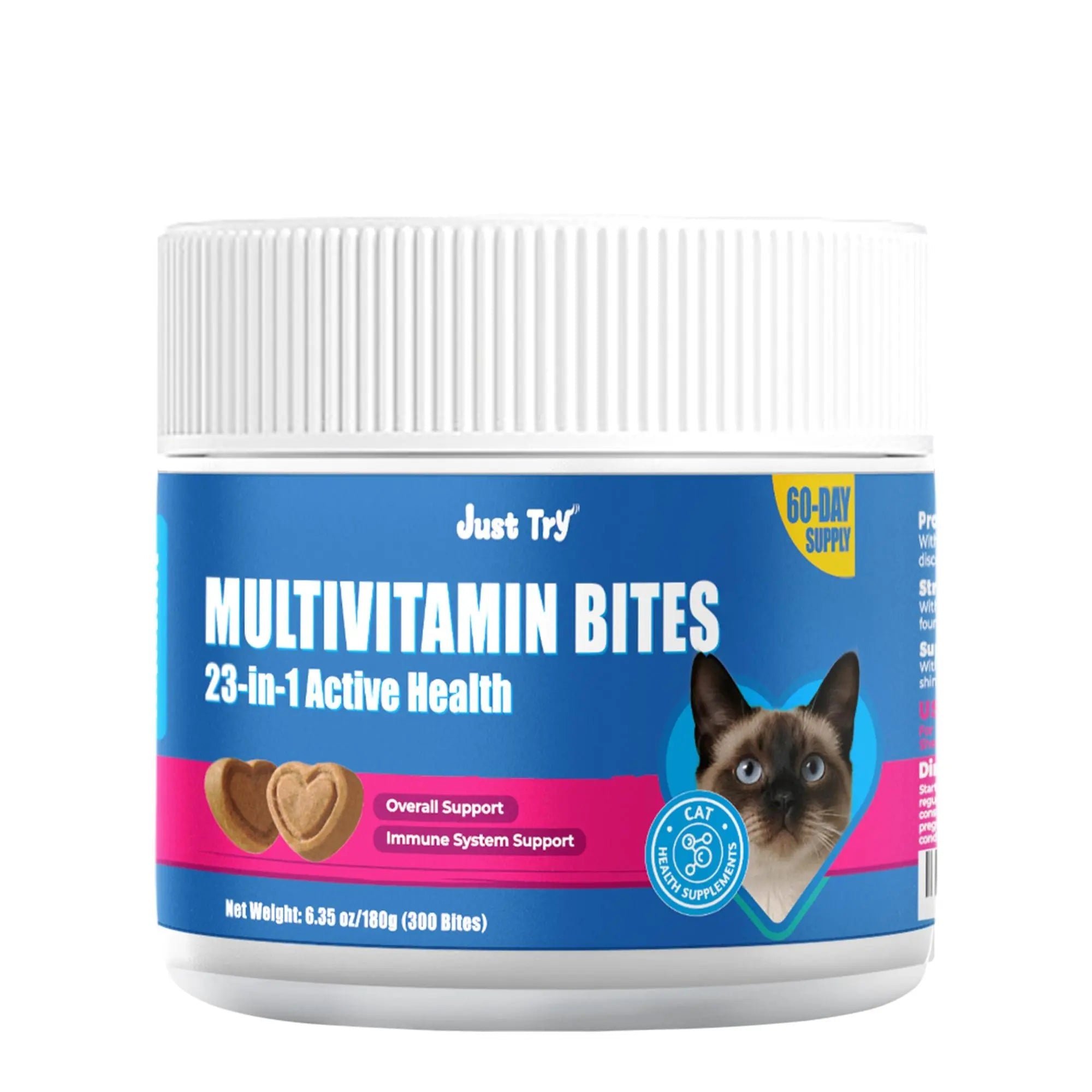
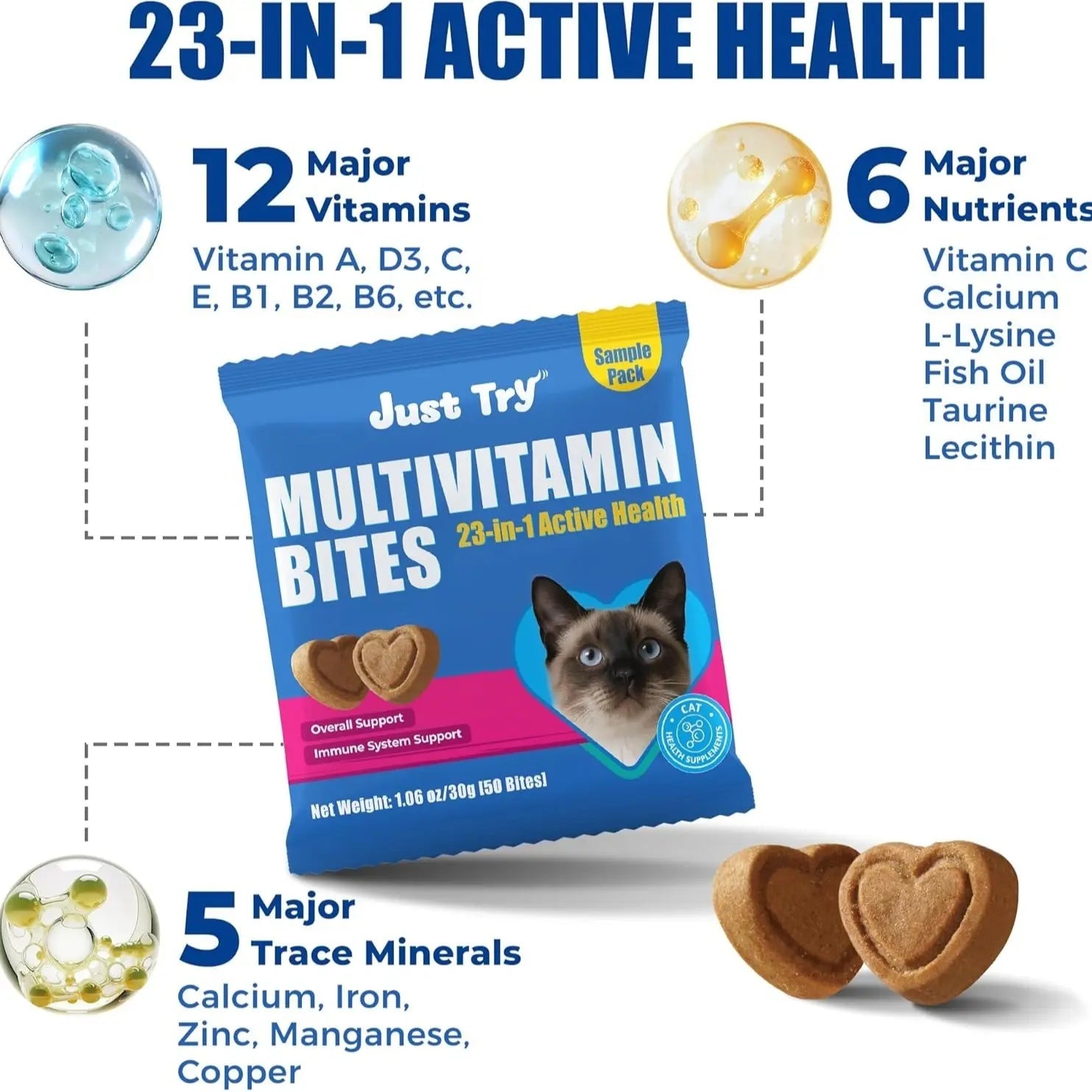
For cats that may benefit from additional nutritional support, JustTry Cat Multivitamin Bites provide a convenient daily treat format with ingredients including taurine, lysine, omega-3 fish oil, vitamins, and minerals.
- 300 bite-sized treats for easy daily feeding
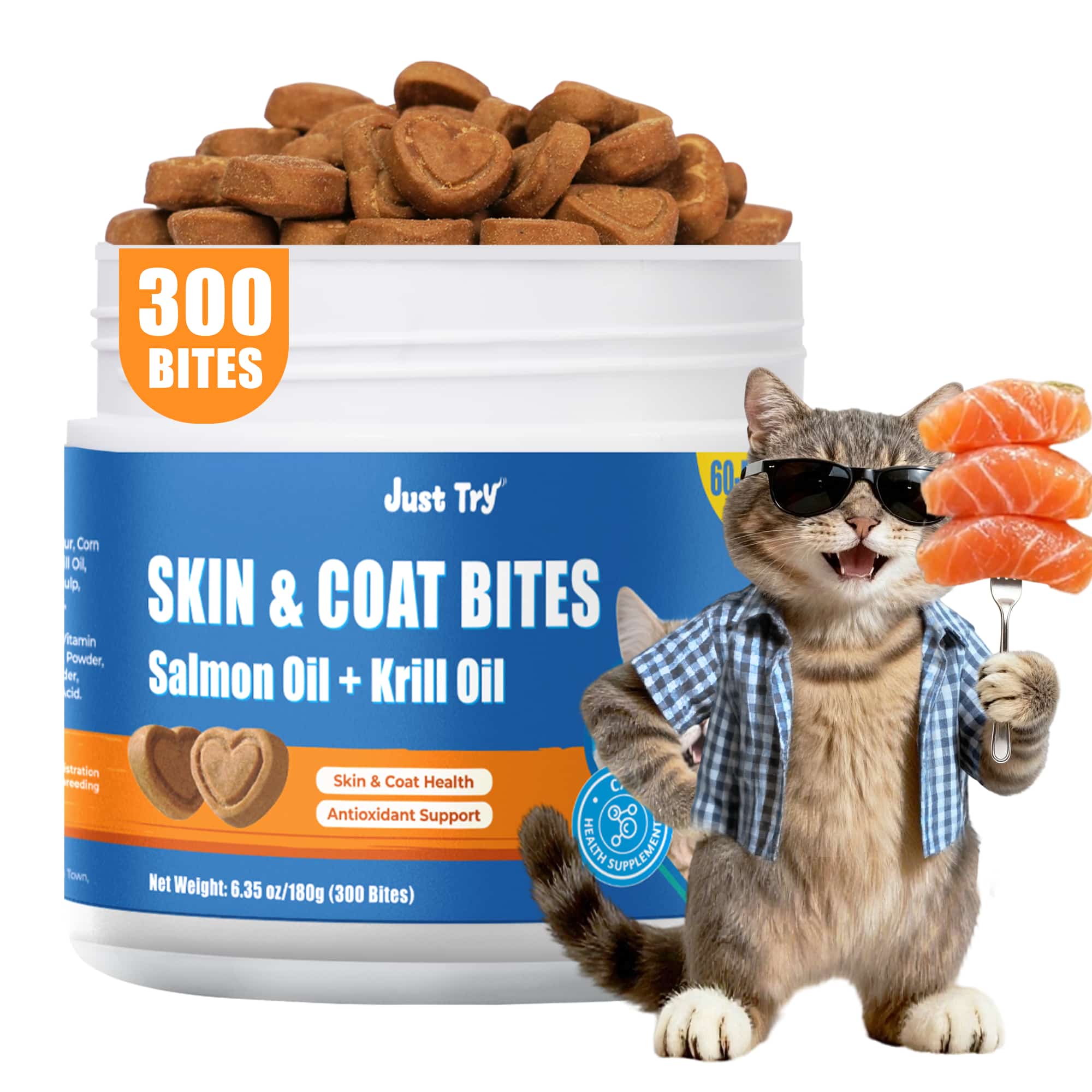
- Contains omega-3 fish oil for skin and coat support
- Includes taurine and lysine
- Designed as a convenient nutritional addition to daily cat care
How Grooming Helps Manage Cat Shedding
Nutrition supports your cat from the inside, while grooming helps manage loose fur from the outside.
Regular brushing can remove loose hair before it falls around your home and can help cats maintain a cleaner, healthier-looking coat.
| Grooming Method | Best For | What To Consider |
|---|---|---|
| Regular brushing | Most indoor cats | Consistency is more important than occasional intensive grooming. |
| Deshedding tools | Cats with thicker coats | Choose gentle tools designed to remove loose fur comfortably. |
| Professional grooming | Long-haired cats or difficult coats | Helpful for cats needing additional coat maintenance. |
Creating A Natural Cat Shedding Routine

The most effective shedding routine is usually the one that can be maintained consistently. Instead of relying on occasional grooming sessions, many cat owners find better results by creating small daily and weekly habits.
| Routine | Recommended Action | Why It Helps |
|---|---|---|
| Daily Care | Check your cat’s coat, provide fresh water, and observe changes in fur condition. | Helps owners notice changes early and maintain consistent care. |
| Weekly Grooming | Brush your cat based on coat type and remove accumulated loose fur. | Reduces the amount of loose hair around your home. |
| Nutrition Routine | Provide a balanced diet with appropriate nutrients. | Supports normal skin and coat maintenance. |
| Seasonal Adjustment | Increase grooming frequency during heavier shedding periods. | Helps manage natural coat changes. |
Choosing The Right Approach For Your Cat

Every cat has different coat needs. A short-haired indoor cat may require a simple brushing routine, while a long-haired cat with a dense undercoat may need more frequent maintenance.
The best shedding support strategy usually combines several small improvements rather than relying on one single solution.
A Practical Decision Guide For Cat Owners
| Your Cat’s Situation | Common Challenge | Helpful Approach | JustTry Direction |
|---|---|---|---|
| Indoor cat with fur around the home | Loose hair builds up on furniture and bedding. | Create a consistent brushing schedule. | Support daily wellness with nutritional routines. |
| Cat with dull-looking coat | Coat condition may be affected by overall nutrition. | Review diet quality and essential nutrients. | Consider nutritional support with omega-3 ingredients. |
| Cat that dislikes grooming | Traditional brushing may create stress. | Introduce grooming gradually using comfortable tools. | Focus on positive daily care experiences. |
When Should Cat Owners Pay More Attention To Shedding?
Normal shedding is expected. However, changes that appear suddenly or seem unusual may deserve additional attention.
- Sudden patches of missing fur
- Visible skin irritation
- Frequent scratching or discomfort
- Major changes in grooming behavior
If you notice unusual coat changes or other concerning signs, consulting a veterinarian is recommended.
How JustTry Supports Everyday Cat Wellness

Supporting your cat’s coat health starts with a complete approach that includes proper nutrition, grooming, and everyday care.
JustTry Cat Multivitamin Bites are designed as a convenient daily treat option for cat owners looking to add nutritional variety to their cat’s routine.
Why Cat Owners Choose Daily Nutritional Support
- Convenient bite-sized format
- Includes taurine and lysine
- Contains omega-3 nutritional support
- Easy to add into everyday feeding routines
Frequently Asked Questions
How can I reduce my cat’s shedding naturally?
The best approach combines regular grooming, balanced nutrition, hydration, and consistent coat care habits. Shedding is natural, so the goal is managing loose fur rather than completely stopping it.
Does brushing help reduce cat shedding?
Yes. Brushing helps remove loose hair before it falls around your home. The right grooming frequency depends on your cat’s coat type.
Can vitamins help with cat shedding?
Certain nutrients, including essential fatty acids, amino acids, and vitamins, support normal skin and coat condition when included as part of a balanced diet.
Do omega-3 fatty acids support cat skin and coat health?
Omega-3 fatty acids are commonly used in pet nutrition because they support normal skin condition and coat appearance.
Why is my indoor cat shedding all year?
Indoor cats may shed throughout the year because consistent indoor environments can affect natural seasonal coat cycles.
References
-
National Research Council. Nutrient Requirements of Dogs and Cats.
Reference for feline nutrient requirements, essential amino acids, fatty acids, and nutritional needs. -
AAFCO Dog and Cat Food Nutrient Profiles.
Reference for nutritional standards used in complete and balanced pet foods. -
Cornell Feline Health Center.
Reference for feline health, nutrition, and coat-related care information. -
Merck Veterinary Manual - Cat Owner Resources.
Reference for veterinary-reviewed information about feline health conditions and care. -
International Cat Care - Cat Nutrition and Health.
Reference for evidence-based feline nutrition and welfare guidance. -
ASPCA Cat Care Resources.
Reference for general cat grooming and daily care recommendations. -
Omega-3 Fatty Acids and Their Role in Animal Nutrition Research.
Reference for omega-3 fatty acid research and nutritional applications.
Final Thoughts
Cat shedding is a natural process, but the right combination of nutrition and grooming can make coat care easier for both cats and owners.
By understanding your cat’s individual needs and building a consistent routine, you can create a healthier everyday environment while keeping loose fur more manageable.
Small daily habits — from regular brushing to thoughtful nutrition choices — can make a meaningful difference in your cat’s overall wellness routine.