Many cat owners consider vitamins and supplements when they want to support their cat’s overall wellness, especially when they notice changes in coat appearance, energy levels, or daily health routines.
However, choosing the right cat vitamins can be confusing. Cats have unique nutritional requirements, and not every supplement designed for humans or other animals is suitable for feline needs.
The best cat vitamins are not about adding as many ingredients as possible. They are about providing appropriate nutrients that support your cat’s normal biological functions, including skin, coat, immune health, and everyday wellness.
Key Takeaways
- Cats require specific nutrients that are different from humans and other pets.
- Taurine, omega-3 fatty acids, amino acids, vitamins, and minerals all play important roles in feline nutrition.
- A complete diet should always come first, while supplements may provide additional nutritional support.
- The right cat vitamin depends on your cat’s age, diet, lifestyle, and individual needs.
In This Article
- Why Do Cats Need Vitamins?
- Essential Nutrients For Healthy Skin And Coat
- Taurine, Omega-3, And Other Important Ingredients Explained
- How To Choose The Best Cat Vitamins
- Cat Supplement Comparison Guide
- Frequently Asked Questions
- References
Why Do Cats Need Vitamins?
Cats are obligate carnivores, meaning their nutritional needs are closely connected to nutrients found in animal-based diets.
According to the National Research Council’s Nutrient Requirements of Dogs and Cats , cats require specific amounts of essential nutrients to maintain normal physiological functions.
A high-quality complete cat food is designed to provide many necessary nutrients. However, some cat owners choose supplements as an additional way to support their cat’s daily wellness routine.
What Nutrients Support Healthy Cat Skin And Coat?

A cat’s coat is influenced by multiple factors, including genetics, grooming habits, environment, and nutrition.
Certain nutrients are commonly associated with maintaining normal skin and coat condition.
| Nutrient | Why Cats Need It | Skin & Coat Connection | Common Sources |
|---|---|---|---|
| Omega-3 Fatty Acids | Essential fatty acids involved in normal body functions. | Support healthy skin condition and coat appearance. | Fish oil and marine ingredients. |
| Taurine | An essential amino acid required by cats. | Supports overall feline nutrition. | Animal-based proteins and formulated cat diets. |
| Lysine | An essential amino acid involved in protein metabolism. | Supports normal nutritional balance. | Complete cat foods and supplements. |
| Vitamins & Minerals | Support many normal body processes. | Contribute to overall wellness and coat maintenance. | Balanced diets and formulated supplements. |
Understanding The Most Important Cat Vitamin Ingredients
Omega-3 Fatty Acids
Omega-3 fatty acids are commonly included in pet nutrition because they support normal inflammatory balance and healthy skin condition.
Fish oil is one of the most common sources of EPA and DHA, two omega-3 fatty acids studied in animal nutrition.
Taurine For Cats
Unlike many animals, cats have a specific dietary requirement for taurine. Taurine is an essential amino acid that cats cannot produce in sufficient amounts from other nutrients.
For this reason, taurine is commonly added to complete cat foods and feline nutritional products.
Lysine And Amino Acid Support
Amino acids are the building blocks of proteins. Since healthy hair growth depends on protein structure, adequate amino acid intake is an important part of feline nutrition.
Do Cats Really Need Supplements?

Not every cat requires supplements. Cats eating a complete and balanced diet may already receive many essential nutrients.
However, some owners choose supplements when they want to add nutritional variety or provide additional support as part of their cat’s daily wellness routine.
| Cat Situation | Common Owner Goal | Nutritional Consideration |
|---|---|---|
| Indoor cats | Support everyday wellness | Balanced nutrition and activity support. |
| Cats with coat concerns | Maintain healthy-looking fur | Consider nutrients associated with skin and coat support. |
| Older cats | Support changing nutritional needs | Discuss dietary changes with a veterinarian. |
Daily Nutritional Support Made Simple
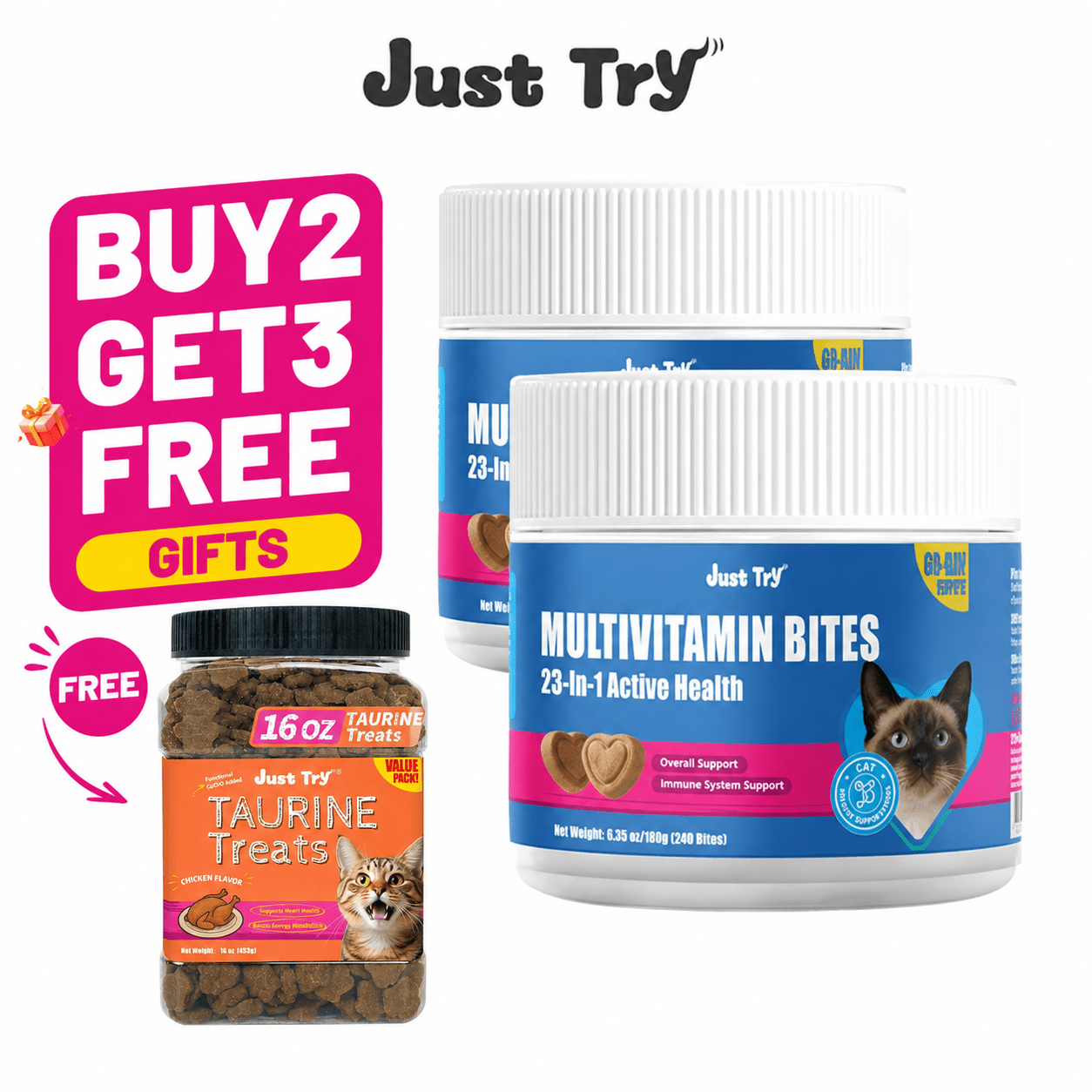
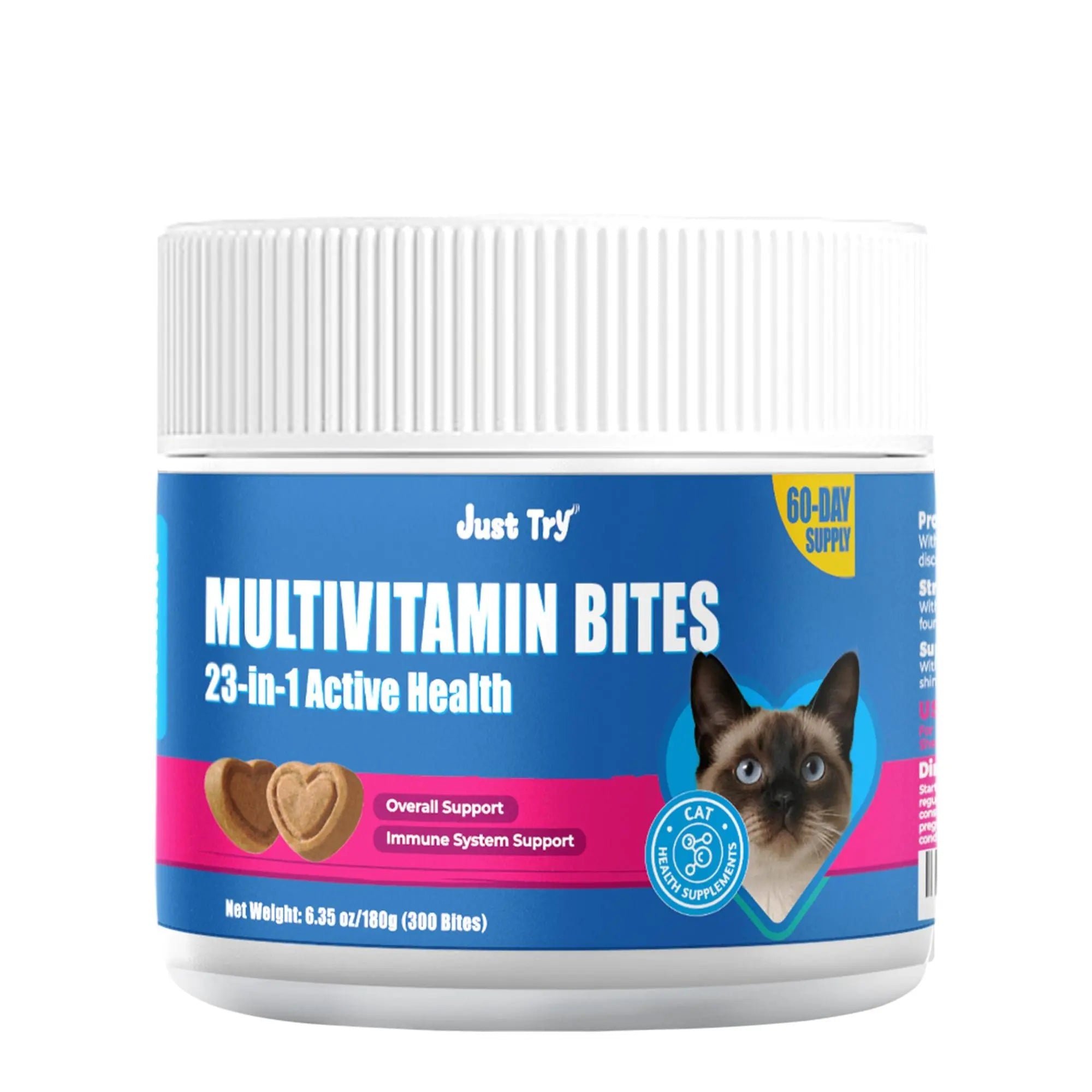
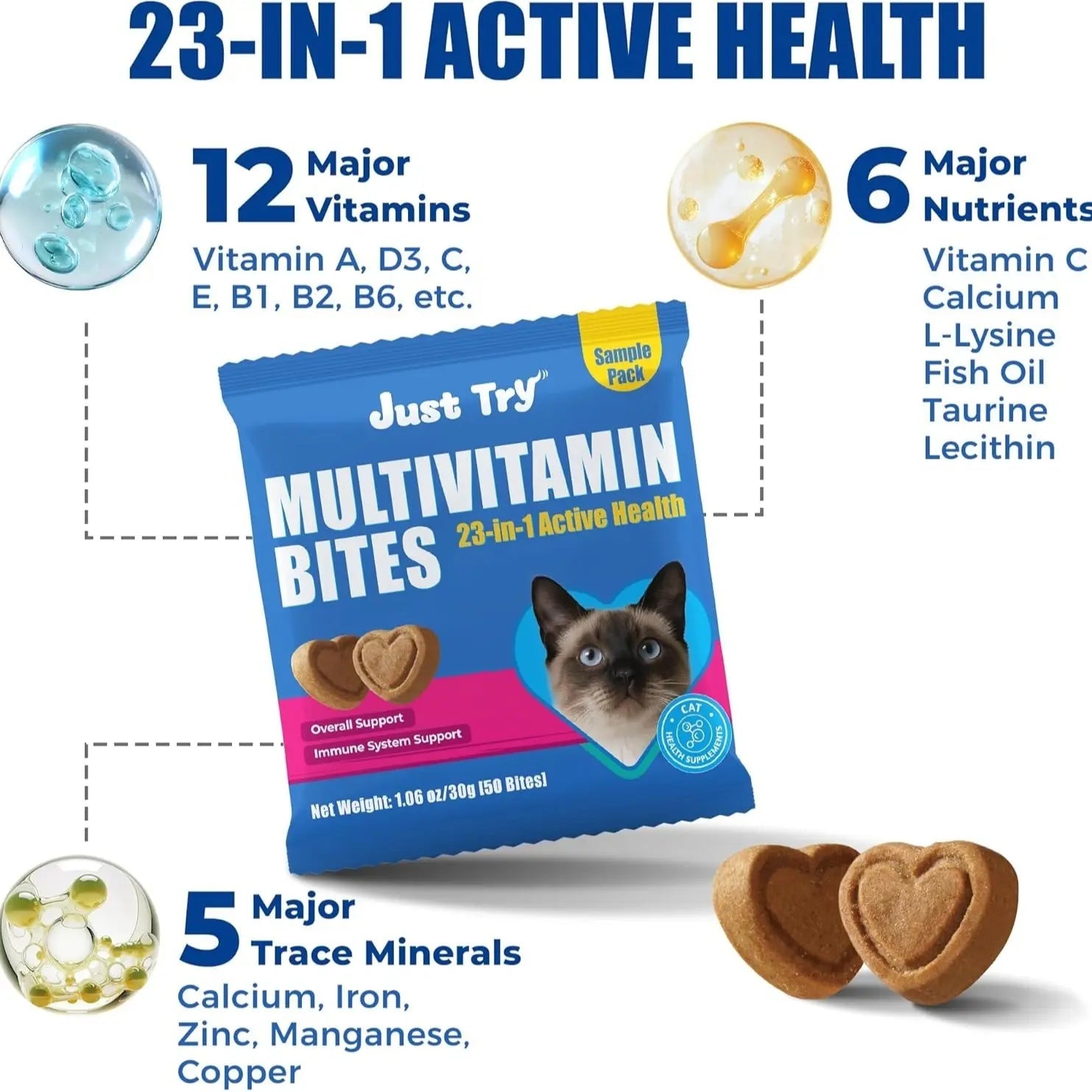
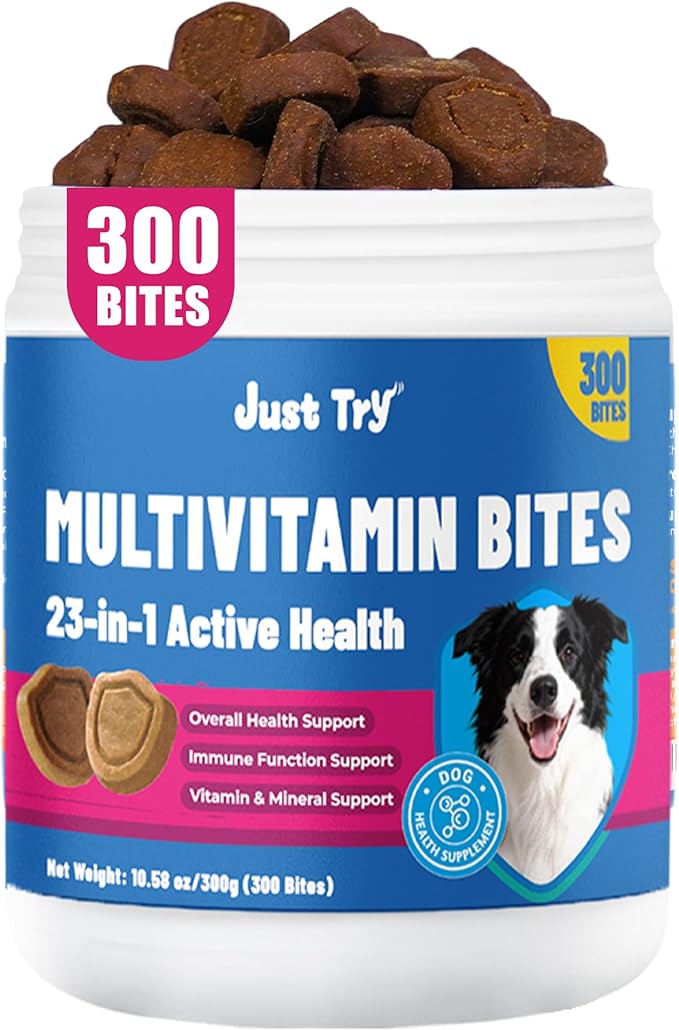
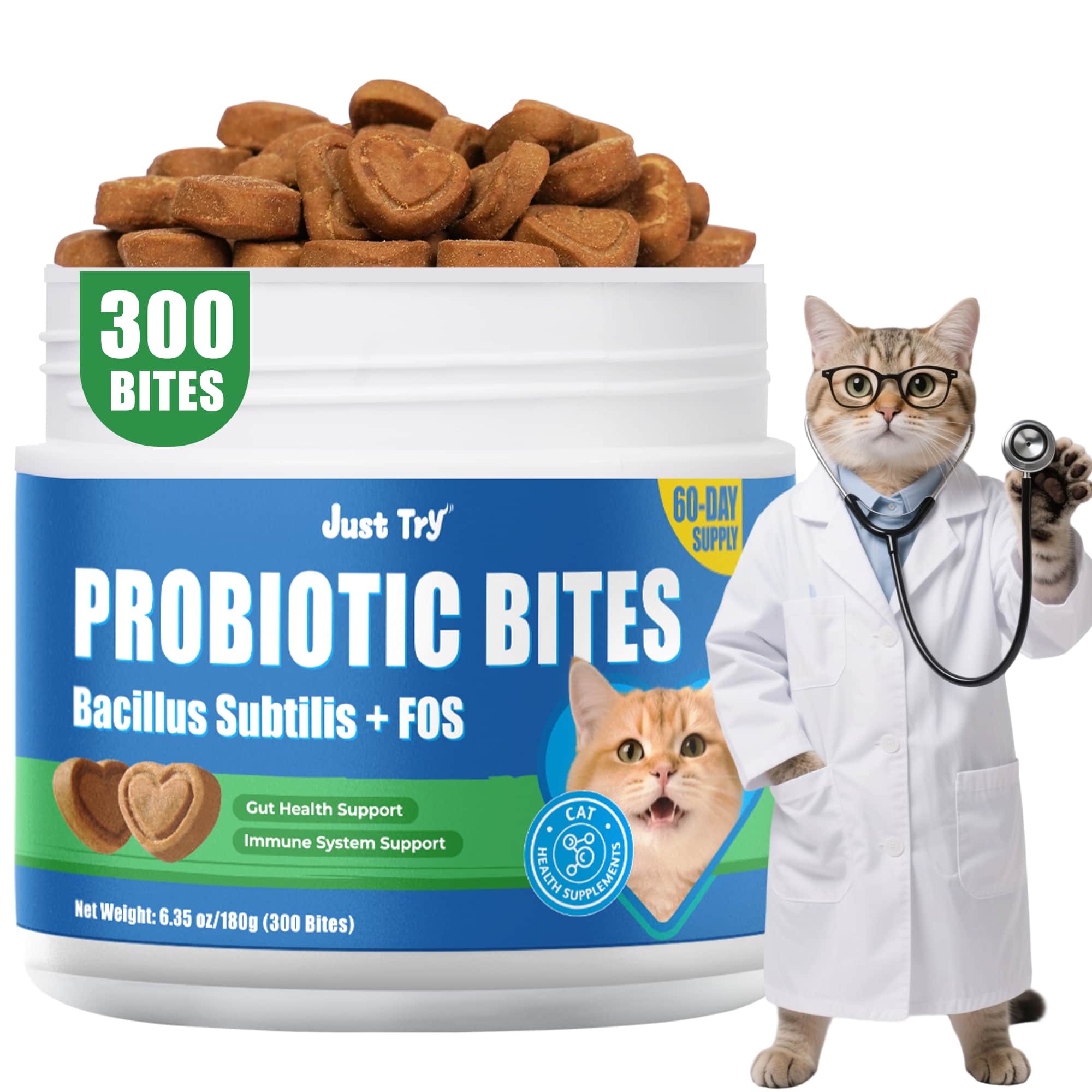
JustTry Cat Multivitamin Bites are designed as a convenient treat-based supplement option containing taurine, lysine, omega-3, vitamins, and minerals to complement your cat’s daily routine.
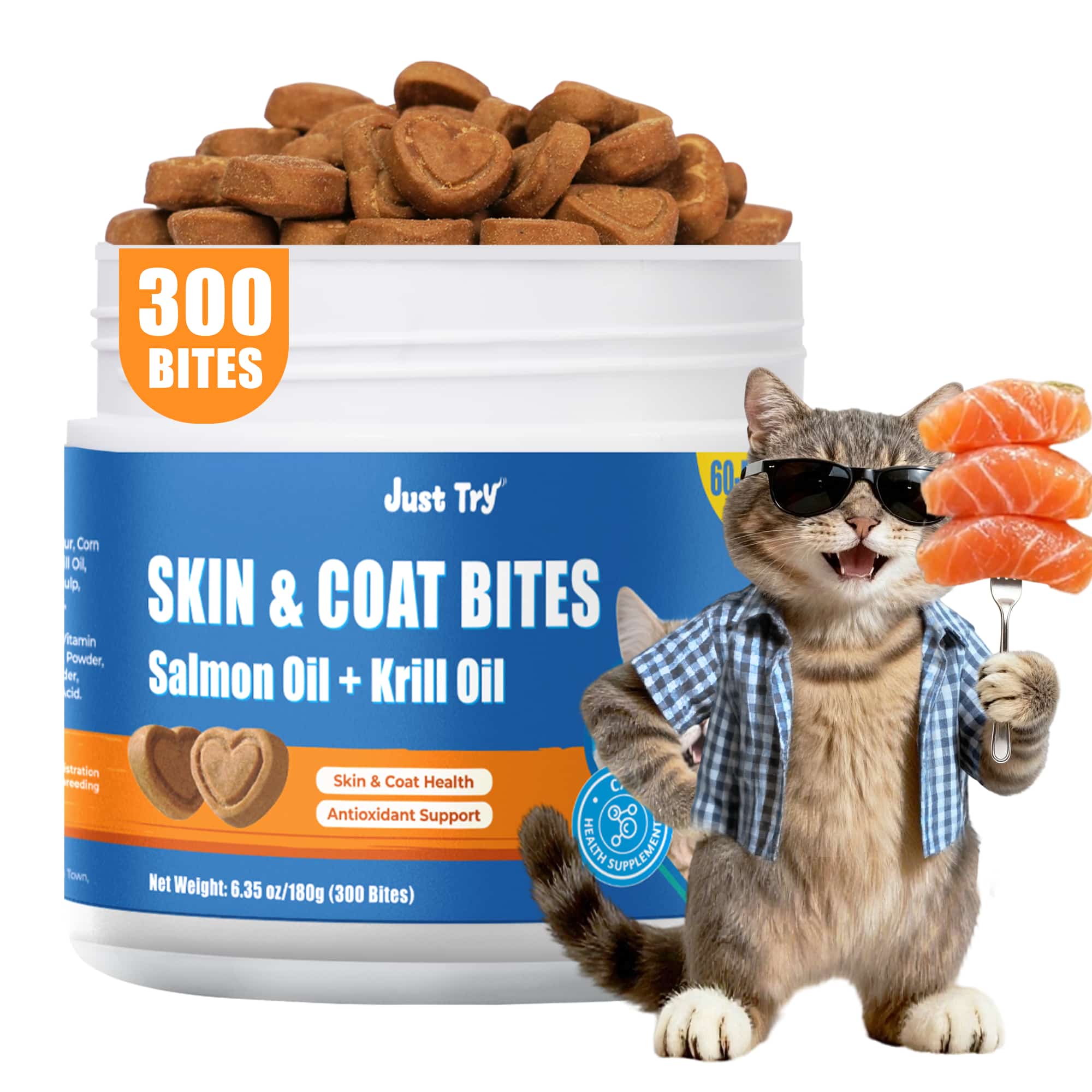
- 300 bite-sized treats
- Contains taurine and lysine
- Includes omega-3 nutritional support
- Easy daily feeding format
How To Choose The Best Cat Vitamins
Choosing a cat supplement is not only about the number of ingredients listed on the package. Quality, suitability, and nutritional purpose are more important.
| What To Consider | Why It Matters | What Cat Owners Should Look For |
|---|---|---|
| Ingredient Purpose | Every ingredient should have a nutritional reason. | Clear ingredient information and meaningful nutrients. |
| Cat-Specific Formula | Cats have different nutritional requirements from humans. | Products designed specifically for cats. |
| Daily Convenience | Consistency matters for routines. | Formats cats enjoy and owners can easily provide. |
How To Build A Healthy Cat Supplement Routine
A supplement routine works best when it becomes part of a broader approach to feline wellness. Supplements should complement a complete diet, not replace balanced nutrition.
For many cat owners, the most practical approach is choosing a product that fits naturally into everyday feeding habits.
| Daily Habit | Why It Helps | Practical Tip |
|---|---|---|
| Consistent Feeding Schedule | Supports predictable nutrition intake. | Provide supplements according to product directions. |
| Regular Grooming | Helps maintain coat cleanliness and remove loose fur. | Combine nutrition with external coat care. |
| Monitoring Changes | Helps owners notice changes in coat condition. | Pay attention to unusual changes and consult a veterinarian when needed. |
Cat Vitamins vs Cat Food: What Is The Difference?
Many cat owners wonder whether vitamins are necessary if their cat already eats commercial cat food.
Complete and balanced cat foods are formulated to provide essential nutrients. Cat supplements are generally designed as additional nutritional support rather than replacements for a complete diet.
| Option | Main Purpose | Best Consideration |
|---|---|---|
| Complete Cat Food | Provides daily nutrition requirements. | Choose a formula appropriate for your cat’s life stage. |
| Cat Supplements | Provide additional nutritional ingredients. | Select cat-specific products with clear ingredient information. |
| Human Vitamins | Designed for human nutritional needs. | Not recommended as a substitute for feline supplements. |
Why Ingredient Quality Matters In Cat Supplements

A long ingredient list does not always mean a better product. The purpose behind each ingredient matters more than simply the number of ingredients included.
When evaluating cat vitamins, owners should consider:
- Whether ingredients are appropriate for cats.
- Whether nutritional benefits are clearly explained.
- Whether the product fits naturally into daily feeding habits.
- Whether ingredient amounts and product information are transparent.
Frequently Asked Questions About Cat Vitamins
What are the best vitamins for cats?
The best cat vitamins depend on your cat’s individual needs. Common nutrients found in feline supplements include taurine, omega-3 fatty acids, vitamins, minerals, and amino acids that support overall nutritional balance.
Do cats need daily vitamins?
Cats eating complete and balanced diets may already receive essential nutrients. Some owners choose supplements as an additional part of their cat’s wellness routine.
Are human vitamins safe for cats?
Human supplements are not designed for feline nutritional requirements and should not be used as substitutes for cat-specific products.
Can cat vitamins improve coat appearance?
Nutrition plays an important role in maintaining healthy skin and coat condition. Ingredients such as omega-3 fatty acids and adequate protein are commonly associated with coat support.
How long does it take to see results from cat supplements?
The effect of nutritional changes can vary depending on the cat, diet, and overall health. Consistency and a balanced approach are important parts of any wellness routine.
Final Thoughts: Choosing The Right Cat Vitamins
The best cat vitamins are not necessarily the products with the longest ingredient list. They are the ones that provide meaningful nutritional support and fit your cat’s everyday lifestyle.
Healthy skin and coat condition come from multiple factors, including balanced nutrition, grooming habits, hydration, and overall care.
For cat owners looking for a convenient nutritional addition, JustTry Cat Multivitamin Bites offer an easy treat format containing taurine, lysine, omega-3, vitamins, and minerals to support daily cat wellness routines.
References
-
National Research Council. Nutrient Requirements of Dogs and Cats.
Used as a reference for feline nutrient requirements, amino acids, and essential nutritional needs.
-
AAFCO Official Publication: Dog and Cat Food Nutrient Profiles.
Reference for nutritional standards used in complete and balanced pet foods.
-
Cornell Feline Health Center.
Reference for feline health, nutrition, and responsible cat care information.
-
International Cat Care: Cat Nutrition and Health.
Reference for evidence-based feline nutrition and welfare guidance.
-
Merck Veterinary Manual: Cat Owner Resources.
Reference for veterinary-reviewed information regarding feline health and nutrition.
-
Omega-3 Fatty Acids Research in Animal Nutrition.
Reference regarding omega-3 fatty acid nutritional research.
-
ASPCA Cat Care Guidelines.
Reference for general cat care and responsible pet ownership guidance.